Our first castle stop on the Quest is a hugely significant one. Not only was it was the first of Edward’s new builds to form his ‘Iron Ring’ around the troublesome Welsh rulers’ territories, but it was also to be the location where a later medieval king lost his crown, and his dog.
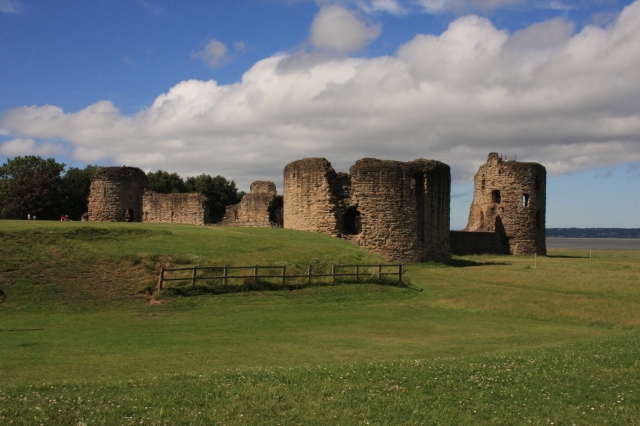
Flint Castle looking out over the Dee estuary. The water would once have come right up to its walls.
But in 1277, Edward had big plans for Flint. Keen on building symbolism into his castles, even the name, it has been suggested, was symbolic of the spark he planned to ignite that would engulf Llywelyn in flames.
But this wasn’t just to be a castle. It was to have a whole new attendant fortified town, called a ‘bastide’, an idea borrowed from the French. The new English town would be planted next to the castle, becoming home to the people who’d built it. Initially constructed in wood for speed, the castle was to function as the Plantagenet field headquarters. Its position offered proximity to Chester along an old Roman road and, like most of Edward’s new castles, it was accessible to ships. The king’s choice of coastal or major riverside locations for his new fortresses held a distinct strategic advantage; they could easily be resupplied with food and essential goods, and were therefore much harder to cut off during a siege.
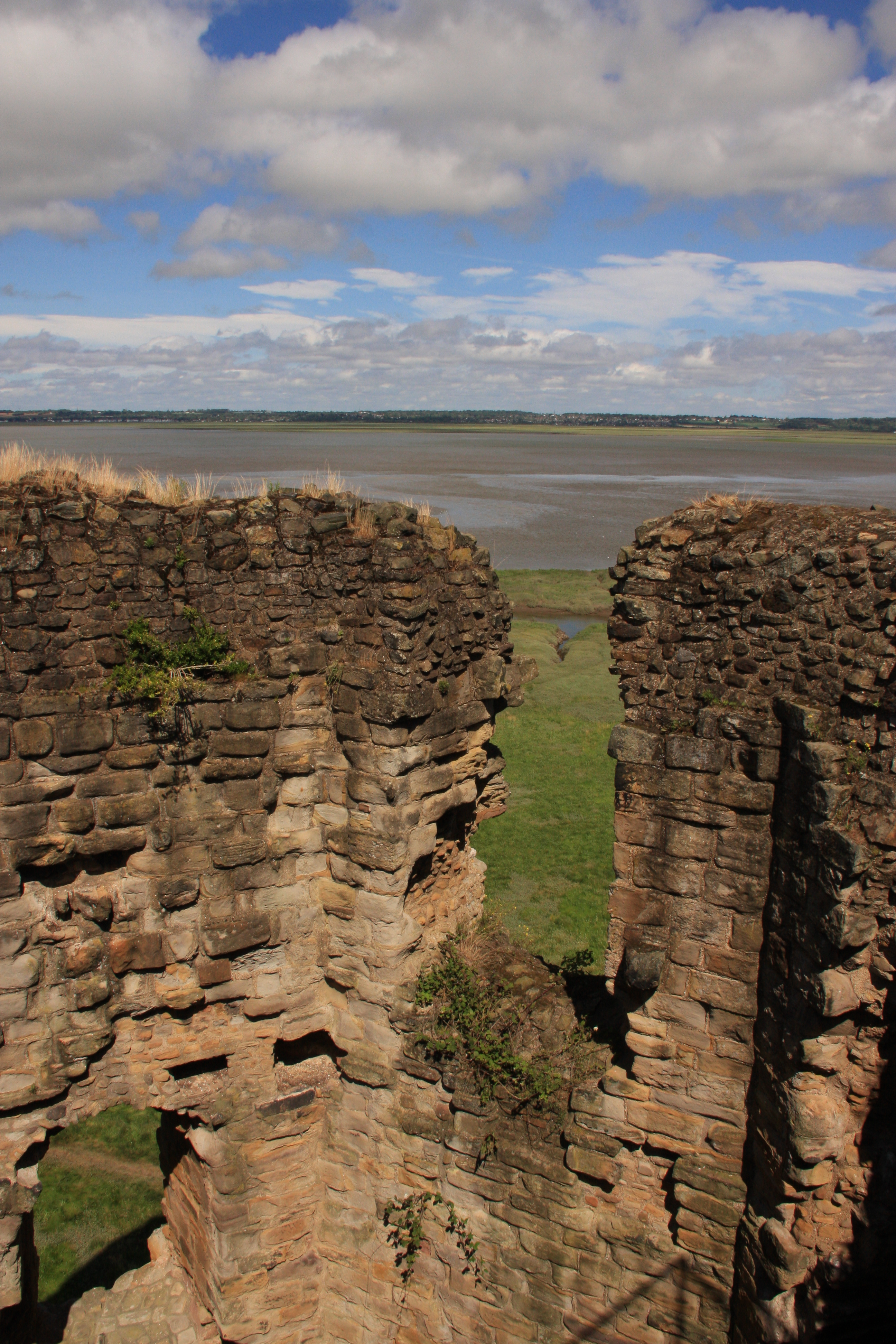
The view across the estuary from the walls
Flint Castle employed huge numbers of craftsmen and labourers, many of whom had been conscripted from England and escorted to the site by three mounted soldiers whose job it was to stop them absconding en route. But when it came to recruiting a man to manage the whole project, Edward wanted the best in the game. In 1278, he summoned a supremely talented master mason from Savoy on the French border with Switzerland and Italy, and in 1280 he took charge of the works at Flint. Master James of St George would eventually become the ‘master of the king’s works in Wales’, gaining great rewards for his hard work. And the completion of Flint was to be the first major rung of the ladder on his rise to the dizzy heights of this title.
Exploring the towers
Surrounded by a defensive tidal moat, the square castle had round towers in each corner of the inner curtain wall, but the most striking feature is its uniquely designed round great tower, or keep. It was accessed by a drawbridge from the inner ward, and from payment records we can tell that this was built as lavish accommodation fit for a king, complete a suite of comfortable rooms and a chapel to accommodate his spiritual needs.
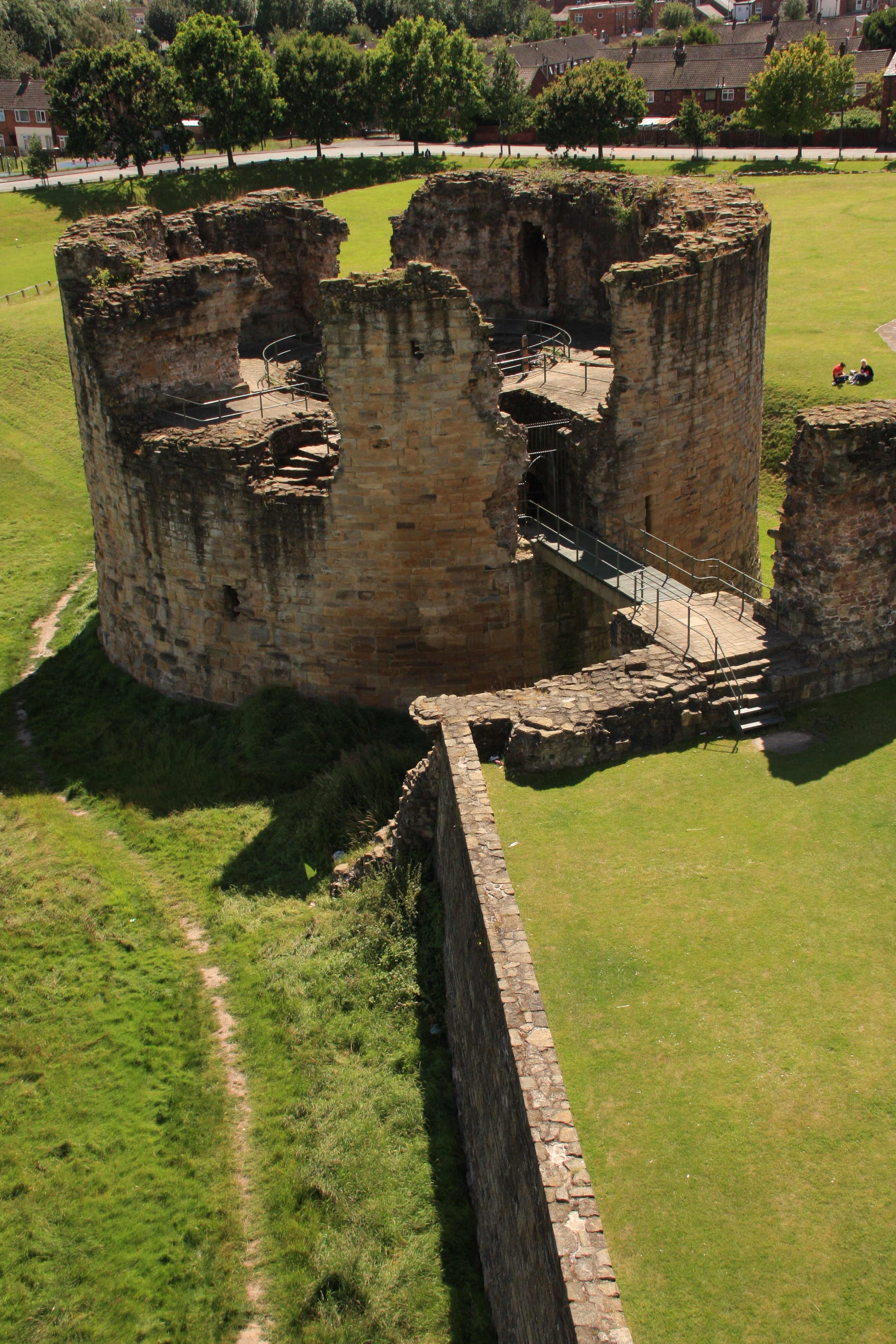
The uniquely designed Great Tower, a palatial residence fit for a king
It was this Great Tower that hosted a later medieval drama, when King Richard II was deposed by his cousin Henry Bolingbroke, Duke of Lancaster, who then became Henry IV. In August 1399, having returned from fighting in Ireland to discover nearly all of his barons’ support had evaporated, the unpopular King Richard II looked out from the castle walls to see his ambitious cousin approaching at the head of a large army. Whilst he’d been away in Ireland, Henry’s campaign against him had gained such traction that it was impossible to resist. So after hearing mass, almost certainly in the chapel of the Great Tower, he went to meet them and to lose his crown. But as if it wasn’t bad enough losing his kingship to the usurper Henry Bolingbroke, he also lost his dog to him.
The story goes that Richard had a faithful Greyhound called Mathe. Devoted to his master, Mathe followed him around everywhere and would jump up, putting his front paws on the king’s shoulders in greeting. But when Henry turned up at the castle to capture and depose Richard, Mathe suddenly turned from his master and went instead to greet the usurper. Having now lost the loyalty even of his beloved dog, the king sadly told his cousin:
“The greyhound maketh you cheer this day as king of England, to which dignity you will be raised, and I shall be deposed. The greyhound possesses this knowledge naturally, therefore take him with you.”
Richard had realised that the dog’s loyalty was, in fact, not to him personally but to the crown – whoever was wearing it.
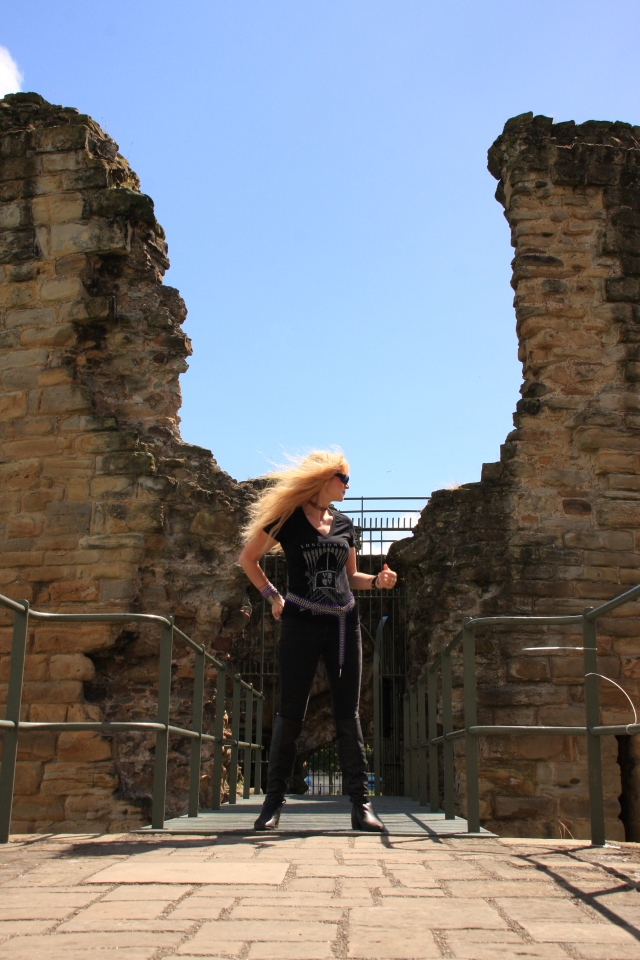
Inside the Great Tower – watching for usurpers!
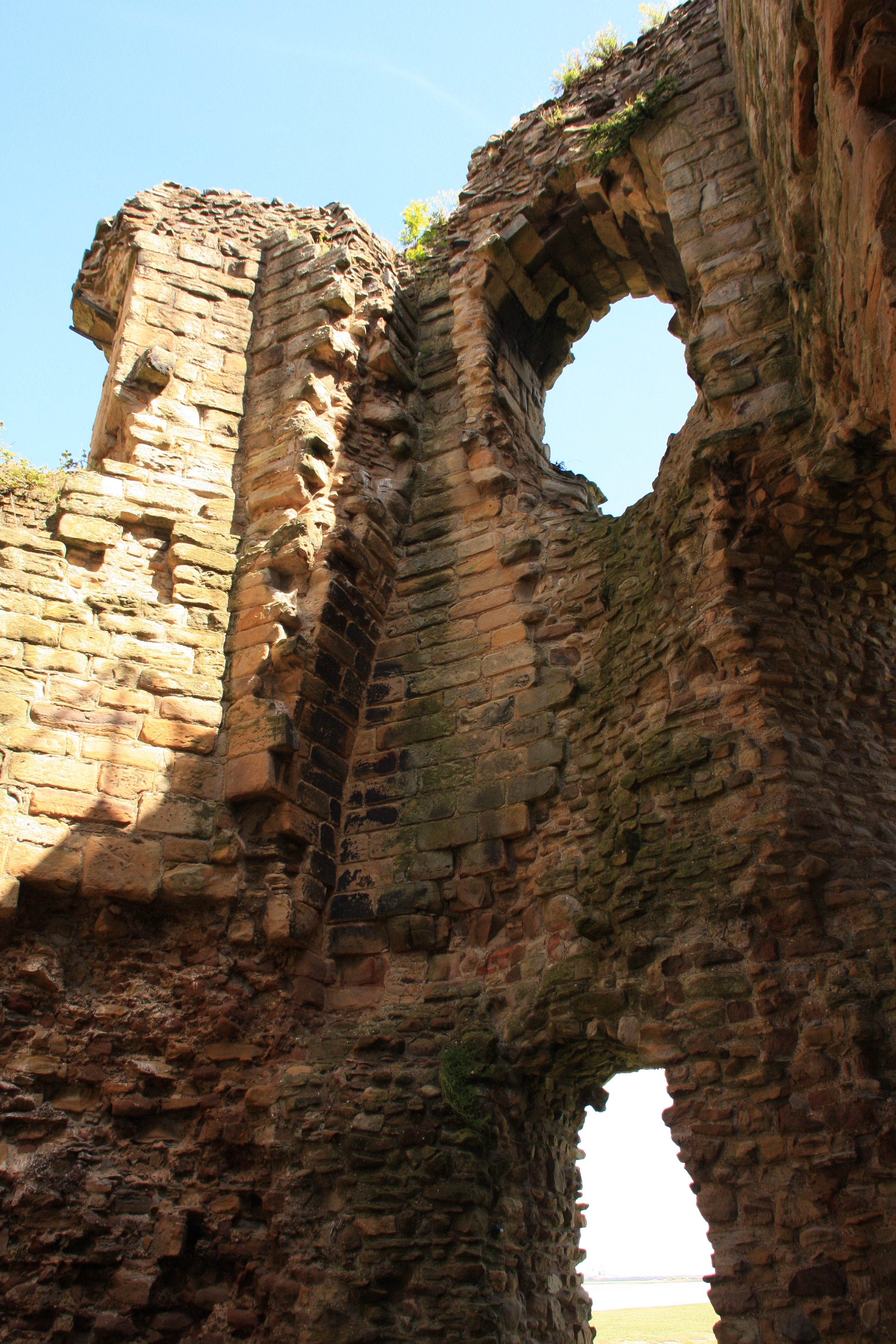
The North-East tower would also have been comfortably furnished. The fireplace in the wall still has black soot marks from the cosy fires that would have warmed this first floor room.
After wandering around the castle and exploring its towers and stories, we took a brief stroll to the estuary while the gulls wheeled and cried overhead. It was easy to imagine the place in its heyday, with the water lapping against its walls as it would have done back then. I could almost see the ships pulling alongside to unload their wares and the former grandeur of its circular towers. And with that it was time to move onwards, just as Edward did during the war of 1277…
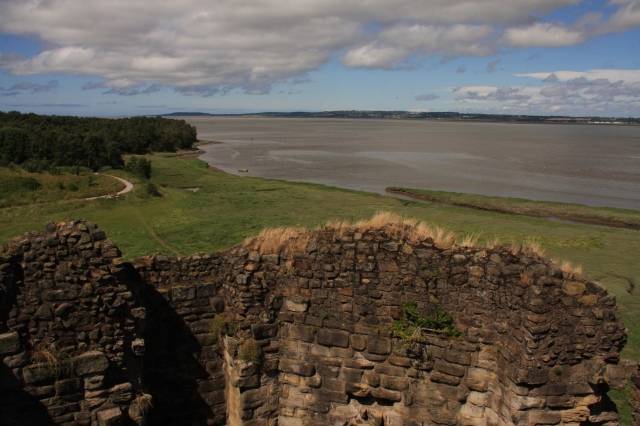
Heading off up that way next…

